Exploring Exploring The Anatomy Of Acorns An Uncover Outline
If you are looking for information about Exploring The Anatomy Of Acorns An Uncover Outline, you have come to the right place.
- The kernel is the heart of the acorn, storing carbohydrates, proteins, and fats that fuel the young sapling. A typical oak acorn contains 35–45% protein, 10% fat, and a small amount of soluble sugars. These nutrients support early photosynthesis and root development once the acorn germinates. For home gardeners, soaking acorns for 24 hours can reduce the hard seed coat’s natural chemicals—such as tannins—that inhibit germination. A simple soaking test also reveals viability; kernels that sink float away often carry.
- Timing is critical. If you aim for rapid growth, plant acorns in the fall, allowing the embryo to rest over winter and sprout in spring. Store them in a cool, dry place for a few weeks to break dormancy naturally. Conversely, for culinary use, be cautious: raw acorn kernels contain bitter tannins and are inedible without proper processing. Boiling, roasting, or fermenting can neutralize these compounds, making the seed a unique, nutrient‑rich food source.
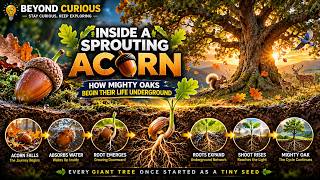
- Beyond immediate uses, a single acorn holds the potential to become a long‑lived oak—an ecosystem cornerstone that supports bird nesting, insect habitats, and carbon sequestration. By studying acorn anatomy, foresters can predict species resilience, informing reforestation projects in urban and rural settings. Moreover, acorns’ nutrient profile has inspired innovative bio‑fuel research, where the fatty acids can be converted into renewable energy sources.
- In this video, wildcrafter Arthur Haines leads people through gathering and processing one of the most important wild foods of the ...
In-Depth Information on Exploring The Anatomy Of Acorns An Uncover Outline
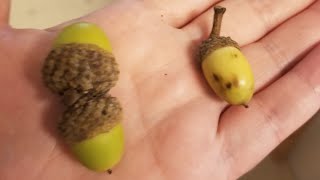
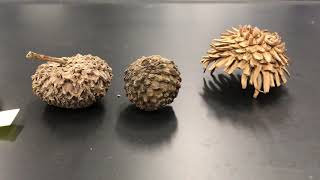
Rebekah and Sadie were wondering : What's inside an Acorns are more than just the humble seeds that sprout into mighty oak trees; they are a living laboratory for botanists, gardeners, and curious minds alike. Understanding their structure—from the protective husk to the nutrient‑dense kernel—provides practical insights into sustainable gardening, wildlife nutrition, and even culinary experimentation. Before delving into microscopic details, choose a healthy specimen. Look for a hard, uncracked shell that has not begun to split, indicating a fresh, viable seed. A dull or cracked exterior often signals fungal attack or dehydration, compromising future germination. Collecting during late summer ensures the seed is fully mature, while still retaining moisture for the winter’s dormant period. The outermost layer, the testa, protects the inner contents from pests and weather. Its ridged surface, made of lignin, can be scored with a knife to check for cracks—a quick test to avoid planting a compromised acorn. Beneath lies the scutellum, a small, protective membrane that anchors the embryo. While not visible without a dissecting microscope, recognizing its role underscores how the shell safeguards the embryo during the seed’s dormancy.
We hope this detailed breakdown of Exploring The Anatomy Of Acorns An Uncover Outline was helpful.
Frequently Asked Questions about Exploring The Anatomy Of Acorns An Uncover Outline
Q: What is the most accurate information about Exploring The Anatomy Of Acorns An Uncover Outline?
A: Our platform aggregates the most comprehensive and up-to-date insights, ensuring you get relevant details about Exploring The Anatomy Of Acorns An Uncover Outline.
Q: Why is Exploring The Anatomy Of Acorns An Uncover Outline trending right now?
A: Interest in Exploring The Anatomy Of Acorns An Uncover Outline has surged recently as more people seek reliable resources, related media, and detailed analysis.
Q: Where can I find related media and updates for Exploring The Anatomy Of Acorns An Uncover Outline?
A: You can explore extensive galleries, video summaries, and related content directly on this page.