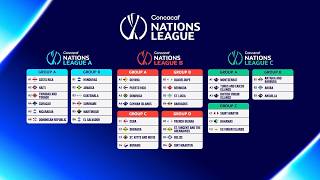
Understanding Concacaf Nations League Table
If you are looking for information about Concacaf Nations League Table, you have come to the right place. Tune in on Thursday, July 23, 2026, at 7 pm ET, to watch the Official Draw for the 2026/27
Key Takeaways about Concacaf Nations League Table
- In League A, the United States and Mexico sit atop their groups, boasting double‑digit point totals and healthy goal differentials. Their dominance secures early Gold Cup berths and grants them home‑advantage draws for the knockout stage. In League B, Canada and Costa Rica have climbed to the top spots, positioning themselves for promotion‑playoffs that could elevate them into League A next cycle. Meanwhile, League C sees smaller Caribbean nations such as Bermuda and the Cayman Islands vying for the only promotion.
- Chasing a top‑place finish often requires squad depth to balance friendlies, World‑Cup qualifiers, and Nations League matches. Nations with limited resources may prioritize immediate results over long‑term development, risking player fatigue. Conversely, federations that experiment with younger talent might sacrifice short‑term points, tolerating a lower table finish to build experience for future tournaments. The promotion‑relegation mechanism amplifies these decisions: a single misplaced draw can relegate a side.
- Placement in League A translates into higher CONCACAF payouts, better matchday revenue, and more attractive sponsorship packages. For federations hovering in League B, a promotion can unlock additional funding earmarked for youth development and infrastructure upgrades. Meanwhile, relegated nations must adjust budgets to account for fewer televised games and reduced ticket sales, prompting a reassessment of coaching staff and training facilities. Understanding where a team sits on the table lets administrators.
- For emerging nations, the realistic goal is incremental progress: securing a mid‑table finish in League B, avoiding relegation, and targeting a promotion playoff berth. Established powers should aim for consistent top‑two placements to guarantee Gold Cup qualification without the need for additional playoffs. Federations must align these aspirations with player availability, coaching continuity, and fiscal capacity, recognizing that the table is a living metric, not a static achievement.
Detailed Analysis of Concacaf Nations League Table
National Men's Football Team Head Coach Derek King is about to get very busy because The latest CONCACAF Nations League table reveals a clear split between the region’s emerging powers and traditional heavyweights, shaping qualification routes, competitive balance, and financial stakes for every member association. By examining points, goal differentials, and promotion‑relegation outcomes, federations can map realistic targets for the next Gold Cup cycle. CONCACAF’s three‑tier format (Leagues A, B, C) groups teams by performance, with promotion and relegation decided by the season‑ending table. League A’s six‑team groups feed directly into Gold Cup qualification, while lower‑tier clubs battle for upward movement. This framework means a single table can’t be read in isolation; each league’s ranking determines a nation’s chance to face elite competition or remain in developmental brackets.
We hope this detailed breakdown of Concacaf Nations League Table was helpful.
Frequently Asked Questions about Concacaf Nations League Table
Q: What is the most accurate information about Concacaf Nations League Table?
A: Our platform aggregates the most comprehensive and up-to-date insights, ensuring you get relevant details about Concacaf Nations League Table.
Q: Why is Concacaf Nations League Table trending right now?
A: Interest in Concacaf Nations League Table has surged recently as more people seek reliable resources, related media, and detailed analysis.
Q: Where can I find related media and updates for Concacaf Nations League Table?
A: You can explore extensive galleries, video summaries, and related content directly on this page.