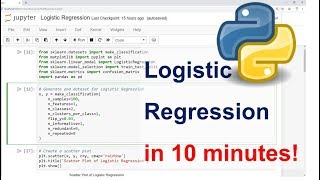
Understanding Logistic Regression Model Using Jupyter
Welcome to our comprehensive guide on Logistic Regression Model Using Jupyter. Don't miss out! Get FREE access to my Skool community — packed
Key Takeaways about Logistic Regression Model Using Jupyter
- This video is Part 6 in a series on learning how to
- Get a free 3 month license for all JetBrains developer tools (including PyCharm Professional)
- Never miss a tutorial! Subscribe to the Project Data Science channel: Go from zero to hero
Detailed Analysis of Logistic Regression Model Using Jupyter
1:26 - Classification types (Binary vs multiclass classification) 1:53 - Explanation of In this tutorial, we will walk you through a hands-on project here I have explained the step to perform logistics
In summary, understanding Logistic Regression Model Using Jupyter gives us a better perspective.
Frequently Asked Questions about Logistic Regression Model Using Jupyter
Q: What is the most accurate information about Logistic Regression Model Using Jupyter?
A: Our platform aggregates the most comprehensive and up-to-date insights, ensuring you get relevant details about Logistic Regression Model Using Jupyter.
Q: Why is Logistic Regression Model Using Jupyter trending right now?
A: Interest in Logistic Regression Model Using Jupyter has surged recently as more people seek reliable resources, related media, and detailed analysis.
Q: Where can I find related media and updates for Logistic Regression Model Using Jupyter?
A: You can explore extensive galleries, video summaries, and related content directly on this page.


![Logistic Regression [Simply explained]](https://i.ytimg.com/vi/C5268D9t9Ak/mqdefault.jpg)