Exploring Color Theory Basics
Let's dive into the details surrounding Color Theory Basics.
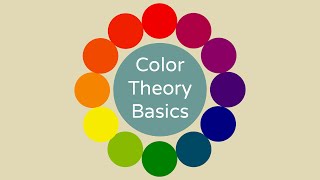
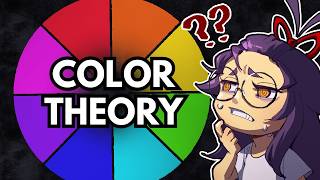
- The color wheel is a fundamental tool for designers and artists. It's a circular representation of colors, with primary colors (red, blue, and yellow) at the center. By learning the color wheel, we can better understand how colors interact and create harmonious relationships.
- - **Primary Colors:** The base colors that cannot be created by mixing other colors together (red, blue, and yellow). - **Secondary Colors:** Colors created by mixing two primary colors together (green, orange, and purple). - **Tertiary Colors:** Colors created by mixing a primary color with a secondary color.
- Understanding color theory basics has a wide range of practical applications. It can be used in:
In-Depth Information on Color Theory Basics
Marco Bucci explains hue, saturation, and value in digital painting, using the Color theory has been an essential aspect of art, design, and interior decoration for centuries. It's a set of principles used to create harmony and balance in visual compositions. With many designers, artists, and enthusiasts exploring the world of color, one topic remains widely debated: color randomness. In this article, we'll delve into understanding the basics of a seemingly random world of colors. Color theory is rooted in the way color behaves and interacts with one another. It's based on concepts of hue, saturation, and value. By understanding these principles, we can design color schemes that evoke emotions, convey messages, and create engaging visual experiences. A solid grasp of color theory can benefit anyone working with colors, from graphic designers to interior decorators. - **Monochromatic:** Using different shades of the same color to create a cohesive and calming atmosphere. - **Complementary:** Pairing colors that are opposite each other on the color wheel, often resulting in high contrast and visual interest. - **Split-Complementary:** Combining a color with the two colors on either side of its complementary, creating a balanced and intriguing contrast. - **Analogous:** Utilizing colors that are next to each other on the color wheel, perfect for creating a soothing and natural.
That wraps up our extensive overview of Color Theory Basics.
Frequently Asked Questions about Color Theory Basics
Q: What is the most accurate information about Color Theory Basics?
A: Our platform aggregates the most comprehensive and up-to-date insights, ensuring you get relevant details about Color Theory Basics.
Q: Why is Color Theory Basics trending right now?
A: Interest in Color Theory Basics has surged recently as more people seek reliable resources, related media, and detailed analysis.
Q: Where can I find related media and updates for Color Theory Basics?
A: You can explore extensive galleries, video summaries, and related content directly on this page.