Introduction to Debunking Common Misconceptions About The Nco Leadership Code
Welcome to our comprehensive guide on Debunking Common Misconceptions About The Nco Leadership Code. The official language—often memorized but seldom dissected—includes four pillars:
Debunking Common Misconceptions About The Nco Leadership Code Comprehensive Overview
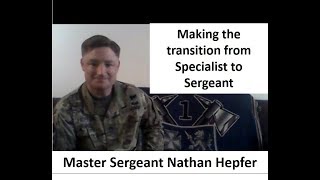
Listen to MSG Nathan Hepfer talk about making that tough transition from being a Soldier to becoming a Are you considering Officer Candidate School (OCS) but feeling overwhelmed by the Whether you are a new Corporal or a seasoned Sergeant Major, understanding the BE, KNOW, DO framework is essential to ...
Summary & Highlights for Debunking Common Misconceptions About The Nco Leadership Code
- Across bases and armories, senior enlisted leaders often hear the same half‑truths about the Non‑Commissioned Officer (NCO) Leadership Code. Some soldiers believe it merely enforces strict discipline; others think it silences initiative. By peeling back the layers of folklore and confronting the real intent of the code, this guide clarifies what the NCO Leadership Code truly demands and how it can sharpen unit readiness.
- The NCO Leadership Code was drafted to codify the standards that separate seasoned sergeants from junior enlisted soldiers. Over time, its concise maxims—integrity, discipline, respect—have been quoted out of context, turning a living framework into a checklist of clichés. Misunderstandings often arise because the code is taught in brief classroom settings, then left to interpretation on the ground, where operational stress can warp its original purpose.
- Reality: Discipline is a cornerstone, but the code also emphasizes ethical decision‑making, mentorship, and personal growth. An NCO who leans on discipline alone may enforce rules without cultivating the trust that makes soldiers willing to follow. For example, a platoon sergeant who explains the “why” behind a marching order fosters ownership, turning a simple command into a lesson in accountability.
- Many junior troops assume that only officers shape tactics and policy. In truth, the code explicitly encourages NCOs to provide candid counsel up the chain of command. A seasoned tank commander who flags equipment concerns before a maneuver can prevent costly failures. This “silent partner” role is formalized in unit SOPs that require enlisted input during after‑action reviews.
- Critics claim that strict adherence to the code discourages creative problem‑solving. Yet the code’s emphasis on “leadership by example” actually empowers NCOs to model independent thought. When a supply sergeant improvises a field‑ration workaround under fire, she is applying the code’s principle of “resourcefulness.” The key is balancing respect for established procedure with the agility to adapt when circumstances demand.
In summary, understanding Debunking Common Misconceptions About The Nco Leadership Code gives us a better perspective.
Frequently Asked Questions about Debunking Common Misconceptions About The Nco Leadership Code
Q: What is the most accurate information about Debunking Common Misconceptions About The Nco Leadership Code?
A: Our platform aggregates the most comprehensive and up-to-date insights, ensuring you get relevant details about Debunking Common Misconceptions About The Nco Leadership Code.
Q: Why is Debunking Common Misconceptions About The Nco Leadership Code trending right now?
A: Interest in Debunking Common Misconceptions About The Nco Leadership Code has surged recently as more people seek reliable resources, related media, and detailed analysis.
Q: Where can I find related media and updates for Debunking Common Misconceptions About The Nco Leadership Code?
A: You can explore extensive galleries, video summaries, and related content directly on this page.