Understanding Unlocking Equine Color Patterns With A Genetics Calculator
Welcome to our comprehensive guide on Unlocking Equine Color Patterns With A Genetics Calculator. Equine coat genetics can feel like a maze of dominant, recessive, and modifier genes, but a dedicated genetics calculator turns that complexity into actionable insight. By entering the known genotypes of a mare and stallion, hobbyists can predict foal colors with confidence, plan breeding strategies, and avoid costly surprises at the foaling barn.
Key Takeaways about Unlocking Equine Color Patterns With A Genetics Calculator
- Scenario 3 – Managing roan and sabino interactions. A roan mare (Rn/Rn) crossed with a sabino stallion (Sb/–) can generate foals ranging from classic roan to roan‑sabino blends. The calculator lists each phenotype, allowing the breeder to anticipate the pattern spectrum and market the foals appropriately.
- Selection hinges on three criteria: comprehensiveness, user interface, and data transparency. A robust calculator includes all recognized loci (including the newer Silver (Z) and Mushroom (M) genes) and lets users toggle modifiers like “tobiano” or “overo.” The interface should present results in both tabular form and visual color swatches, easing communication with clients or fellow breeders. Finally, the tool must disclose its algorithm—whether it uses simple Mendelian ratios or integrates allele frequency data.
Detailed Analysis of Unlocking Equine Color Patterns With A Genetics Calculator
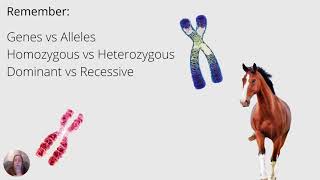
The genetics of horse color involves multiple loci—such as Extension (E), A (Agouti), Roan (Rn), and the myriad dilution genes like Cream and Champagne. Manual Punnett squares become unwieldy when three or more loci intersect, especially with compound heterozygotes. A calculator automates the combinatorial math, instantly displaying all viable genotype‑phenotype outcomes and their relative probabilities. This speed lets breeders evaluate several stallion options in minutes rather than hours, keeping breeding plans. Scenario 1 – Avoiding unwanted chestnut foals. A mare carrying a hidden chestnut allele (e/e) is bred to a stallion with a dominant black genotype (E/–). Without a calculator, the breeder might assume all foals will be black. The tool reveals a 50 % chance of chestnut foals, prompting the breeder to select a stallion with the dominant black allele and a known chestnut‑masking modifier, such as the melanistic “Dominant Black” gene. Scenario 2 – Planning for a cremello or perlino. Two heterozygous cream carriers (Ccr) are paired to produce a foal with a 25 % chance of being double‑diluted (cr/cr). By visualizing that probability, the breeder can decide whether the rarity of a cremello justifies the genetic risk, or whether a single‑dose cream (buckskin or palomino) is a safer target.
In summary, understanding Unlocking Equine Color Patterns With A Genetics Calculator gives us a better perspective.
Frequently Asked Questions about Unlocking Equine Color Patterns With A Genetics Calculator
Q: What is the most accurate information about Unlocking Equine Color Patterns With A Genetics Calculator?
A: Our platform aggregates the most comprehensive and up-to-date insights, ensuring you get relevant details about Unlocking Equine Color Patterns With A Genetics Calculator.
Q: Why is Unlocking Equine Color Patterns With A Genetics Calculator trending right now?
A: Interest in Unlocking Equine Color Patterns With A Genetics Calculator has surged recently as more people seek reliable resources, related media, and detailed analysis.
Q: Where can I find related media and updates for Unlocking Equine Color Patterns With A Genetics Calculator?
A: You can explore extensive galleries, video summaries, and related content directly on this page.