Introduction to The Impact Of Inaccurate Blank Thermometers On Industry
If you are looking for information about The Impact Of Inaccurate Blank Thermometers On Industry, you have come to the right place. When a blank thermometer reads incorrectly, the error ripples through production lines, quality‑control labs, and safety checks, turning a simple measurement flaw into a costly industrial problem. In sectors where temperature is a proxy for product integrity—food, pharmaceuticals, chemicals, and HVAC—misreadings can trigger batch failures, regulatory penalties, and even safety hazards. This overview traces how inaccurate blank thermometers arise, quantifies their downstream effects, and outlines practical steps to.
The Impact Of Inaccurate Blank Thermometers On Industry Comprehensive Overview
Blank thermometers, whether mercury‑in‑glass, bimetallic, or digital, are the baseline instruments for establishing temperature baselines before calibration or for spot‑checking processes that lack continuous monitoring. Their primary role is to confirm that no hidden offsets exist in the measurement chain. When that baseline is wrong, every subsequent reading inherits the error. Food and beverage processing: Precise heat treatment prevents microbial growth; a 2 °C deviation can shorten pasteurization time, risking spoilage. Pharmaceutical manufacturing: Active ingredient stability is temperature‑sensitive; inaccurate blanks can lead to out‑of‑specification batches.
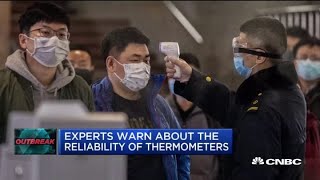
Metcalfe's is warning other businesses to be careful with what medical supplies they buy, as they might not be legitimate. Temperature measurement is crucial across various The I-Team investigated the accuracy of infrared digital termometers. Joel Grover reported on NBC4 News at 11 p.m. on Tuesday, ...
Summary & Highlights for The Impact Of Inaccurate Blank Thermometers On Industry
- Petrochemical refining: Reactor temperature controls influence yield; errors can shift product distribution and increase energy consumption.
- HVAC and building management: Comfort set‑points and equipment protection rely on correct baseline readings; misreads waste energy and shorten component life.
- A person's temperature is considered normal between 97 and 99 degrees, but medical experts indicate that not all
- I've had this discussion with more than one homeowner. They are standing there pointing their laser at a vent after the air just ...
- I have had the question a lot and the answer is a medical fever heat gun is entirely designed to read a extremely narrow ...
We hope this detailed breakdown of The Impact Of Inaccurate Blank Thermometers On Industry was helpful.
Frequently Asked Questions about The Impact Of Inaccurate Blank Thermometers On Industry
Q: What is the most accurate information about The Impact Of Inaccurate Blank Thermometers On Industry?
A: Our platform aggregates the most comprehensive and up-to-date insights, ensuring you get relevant details about The Impact Of Inaccurate Blank Thermometers On Industry.
Q: Why is The Impact Of Inaccurate Blank Thermometers On Industry trending right now?
A: Interest in The Impact Of Inaccurate Blank Thermometers On Industry has surged recently as more people seek reliable resources, related media, and detailed analysis.
Q: Where can I find related media and updates for The Impact Of Inaccurate Blank Thermometers On Industry?
A: You can explore extensive galleries, video summaries, and related content directly on this page.