Exploring Avoid These Common Mistakes When Solving Number Fill In Puzzles To Print
Welcome to our comprehensive guide on Avoid These Common Mistakes When Solving Number Fill In Puzzles To Print.
- Because every row and column must host each digit exactly once, a quick frequency scan often reveals missing numbers before any cell is filled. Solvers who neglect this basic audit end up filling cells with digits that later become impossible to place elsewhere. A fast “count‑the‑digits” pass after each major step helps keep the puzzle balanced.
- Guessing may feel like a shortcut, but it usually leads to backtracking that could have been avoided. When a cell appears to have multiple candidates, apply a simple “candidate elimination” technique: look at intersecting rows, columns, and blocks to prune possibilities. If two numbers remain, try a “what‑if” on paper, but always note the assumption so you can revert cleanly if it fails.
- Pencil marks are the lifeblood of any printable logic puzzle. Skipping this step eliminates the visual map of potential values and makes pattern recognition far harder. Use a light gray pencil to jot small numbers in each empty cell; as constraints tighten, erase the eliminated candidates. This habit often uncovers hidden “singletons” or “naked pairs” that solve entire sections at once.
In-Depth Information on Avoid These Common Mistakes When Solving Number Fill In Puzzles To Print
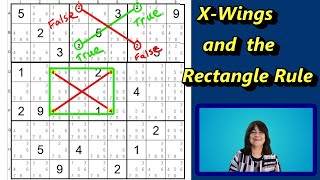
Lesson : X-wing patterns appear often and can be used as a Sudoku Number fill‑in puzzles—those printable grids where each empty cell must be supplied with a single digit—are a quick way to sharpen logic skills, but a handful of recurring errors can turn a fun brain‑teaser into a frustrating dead end. Below is a compact guide that pinpoints the pitfalls most solvers face and shows exactly how to sidestep them. Typical fill‑in formats present a 9×9 (or smaller) grid with a few pre‑filled numbers and a set of arithmetic or placement rules. The goal is to determine a unique digit for every blank space while respecting constraints such as “each row, column, and block must contain all digits 1‑9 without repeats.” Because the puzzle is printable, you rely on pencil, eraser, and a clear strategy rather than software hints. Many beginners dive straight into the grid, assuming the standard Sudoku constraints apply. In reality, each puzzle series can tweak the rules—some forbid consecutive numbers, others limit the sum of a row. Ignoring these nuances leads to early contradictions that waste time. Before you ever pick up a pen, copy the full rule list onto a scrap piece of paper and underline any non‑standard conditions.
In summary, understanding Avoid These Common Mistakes When Solving Number Fill In Puzzles To Print gives us a better perspective.
Frequently Asked Questions about Avoid These Common Mistakes When Solving Number Fill In Puzzles To Print
Q: What is the most accurate information about Avoid These Common Mistakes When Solving Number Fill In Puzzles To Print?
A: Our platform aggregates the most comprehensive and up-to-date insights, ensuring you get relevant details about Avoid These Common Mistakes When Solving Number Fill In Puzzles To Print.
Q: Why is Avoid These Common Mistakes When Solving Number Fill In Puzzles To Print trending right now?
A: Interest in Avoid These Common Mistakes When Solving Number Fill In Puzzles To Print has surged recently as more people seek reliable resources, related media, and detailed analysis.
Q: Where can I find related media and updates for Avoid These Common Mistakes When Solving Number Fill In Puzzles To Print?
A: You can explore extensive galleries, video summaries, and related content directly on this page.