Understanding Understanding Color Theory Opposite Of Green Explained

Let's dive into the details surrounding Understanding Color Theory Opposite Of Green Explained. Color harmony refers to the way colors work together to create a visually appealing effect. The opposite of green in color harmony involves creating balance and contrast through various techniques, such as:

Key Takeaways about Understanding Color Theory Opposite Of Green Explained

  • Your eyes can be easily tricked by color relativity, making you perceive different
  • Marco Bucci explains hue, saturation, and value in digital painting, using the
  • Green is often associated with harmony, balance, and growth, but what happens when we invert these concepts in color theory? The opposite of green lies at the intersection of color psychology, design principles, and artistic expression. Understanding the nuances of color theory beyond green can elevate your creative work and inspire new visual ideas.
  • The color wheel is a fundamental tool in color theory, dividing hues into primary colors (red, yellow, and blue), secondary colors (orange, green, and purple), and tertiary colors. To find the opposite of green, we can look at its complementary colors, which are directly across from it on the color wheel. For green, this means looking at its opposing color in terms of hue, saturation, and value.
  • In this context, the complementary color of green is red-violet or magenta, which creates a striking contrast when paired together.

Detailed Analysis of Understanding Color Theory Opposite Of Green Explained

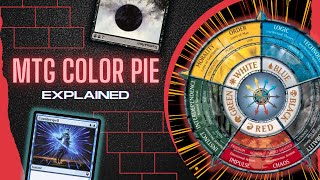
Monochromatic color schemes: using different shades of a single color, such as varying hues of green, to create a cohesive look. Complementary color schemes: pairing green with its opposite color (red-violet or magenta) to create high contrast and visual interest. The color pie is one of Magic's most well known and well beloved mechanics. Each of the 5

That wraps up our extensive overview of Understanding Color Theory Opposite Of Green Explained.

Frequently Asked Questions about Understanding Color Theory Opposite Of Green Explained

Q: What is the most accurate information about Understanding Color Theory Opposite Of Green Explained?

A: Our platform aggregates the most comprehensive and up-to-date insights, ensuring you get relevant details about Understanding Color Theory Opposite Of Green Explained.

Q: Why is Understanding Color Theory Opposite Of Green Explained trending right now?

A: Interest in Understanding Color Theory Opposite Of Green Explained has surged recently as more people seek reliable resources, related media, and detailed analysis.

Q: Where can I find related media and updates for Understanding Color Theory Opposite Of Green Explained?

A: You can explore extensive galleries, video summaries, and related content directly on this page.
Photo Gallery

Color theory explained
Color Theory for Noobs | Beginner Guide
UNDERSTANDING COLOR - Composition and Harmony for Painters
BASIC COLOR THEORY | Beginner Guide + Concepts
Explaining the Magic Color Pie and What All Colors Are Good At
The Secret to Painting the Right Color
Understanding Color
COLOR THEORY BASICS: Use the Color Wheel & Color Harmonies to Choose Colors that Work Well Together
Color Theory Basics for Digital Painters
The Philosophy of Color
The ultimate guide to Color Theory, in just 12 minutes — Photography Visual Patterns #4
What's Color Theory | Graphic Design Basic
▶ View Detailed Profile
Color theory explained

Color theory explained

Color harmony refers to the way colors work together to create a visually appealing effect. The opposite of green in color harmony involves creating balance...

Color Theory for Noobs | Beginner Guide

Color Theory for Noobs | Beginner Guide

Monochromatic color schemes: using different shades of a single color, such as varying hues of green, to create a cohesive look.

UNDERSTANDING COLOR - Composition and Harmony for Painters

UNDERSTANDING COLOR - Composition and Harmony for Painters

Complementary color schemes: pairing green with its opposite color (red-violet or magenta) to create high contrast and visual interest.

BASIC COLOR THEORY | Beginner Guide + Concepts

BASIC COLOR THEORY | Beginner Guide + Concepts

Timestamp: BASIC TERMINOLOGY 00:23

Explaining the Magic Color Pie and What All Colors Are Good At

Explaining the Magic Color Pie and What All Colors Are Good At

The color pie is one of Magic's most well known and well beloved mechanics. Each of the 5

The Secret to Painting the Right Color

The Secret to Painting the Right Color

Your eyes can be easily tricked by color relativity, making you perceive different

Understanding Color

Understanding Color

Why

COLOR THEORY BASICS: Use the Color Wheel & Color Harmonies to Choose Colors that Work Well Together

COLOR THEORY BASICS: Use the Color Wheel & Color Harmonies to Choose Colors that Work Well Together

Learn

Color Theory Basics for Digital Painters

Color Theory Basics for Digital Painters

Marco Bucci explains hue, saturation, and value in digital painting, using the

The Philosophy of Color

The Philosophy of Color

Patreon: https://www.patreon.com/duncanclarke Instagram: https://www.instagram.com/duncansclarke/ Twitter: ...

The ultimate guide to Color Theory, in just 12 minutes — Photography Visual Patterns #4

The ultimate guide to Color Theory, in just 12 minutes — Photography Visual Patterns #4

Green is often associated with harmony, balance, and growth, but what happens when we invert these concepts in color theory? The opposite of green lies at...

What's Color Theory | Graphic Design Basic

What's Color Theory | Graphic Design Basic

The color wheel is a fundamental tool in color theory, dividing hues into primary colors (red, yellow, and blue), secondary colors (orange, green, and...

hair color wheel theory | Milady Cosmetology Chapter 16 Theory

hair color wheel theory | Milady Cosmetology Chapter 16 Theory

In this context, the complementary color of green is red-violet or magenta, which creates a striking contrast when paired together.

Close